Student and artist grade acrylics: what actually differs
Every acrylic range is sold in at least two grades, and the difference is real but frequently misunderstood. It is not that one is paint and the other is coloured mud. It is a difference in how much pigment is in the tube and which pigments they are.
Pigment load
Artist-grade paint carries more pigment per volume and less filler. In practice that means the colour is stronger straight from the tube, it stays strong when mixed with white or medium, and a single coat covers where a student paint might need two.
Student paint stretches the same pigments with more binder and extender. It handles perfectly well; it simply has less colour in it, so it goes further per square inch but weaker per stroke.
Which pigments
The second difference matters more for serious work. Artist ranges use the actual named pigment — a real cadmium, a real cobalt. Student ranges frequently substitute a cheaper pigment that approximates the colour and label it a “hue”.
A “cadmium red hue” is not cadmium red. It will look close in the tube and behave differently in a mix, usually going duller faster when combined with other colours. That is the single practical consequence most people notice.
Lightfastness
Lightfastness is how well a colour resists fading under light over years. Artist ranges publish a rating per colour; student ranges often do not, or do so less consistently.
For a painting that will hang on a wall for a decade, this matters. For a paint-night canvas, a study, or a child’s project, it genuinely does not.
Body and finish
Heavy body acrylics hold a brush mark and a palette-knife ridge. Fluid or soft body acrylics level out and suit smooth blends and detail. Most set acrylics sit in the middle.
Finish varies between ranges from satin to fairly matte. It is not a quality signal — it is a formulation choice — and a final varnish evens it out anyway.
When a student set is the right answer
Student paint is the correct choice more often than the internet suggests:
- Learning, where volume of practice matters more than archival quality.
- Group sessions and paint nights, where a dozen people work through a lot of paint.
- Underpainting and blocking in, where the colour will be covered anyway.
- Children’s work, where enthusiasm outpaces care.
Buying artist grade and then rationing it is worse than buying student grade and using it freely.
When to upgrade, and how
The efficient upgrade is not the whole range at once. It is a handful of colours where the difference shows most: the ones you use in large quantity, and the ones whose mixes keep going muddy.
A useful pattern is student grade for whites, earths and any colour used in bulk, and artist grade for two or three key hues that carry the painting. That keeps the cost sane and puts the pigment where it is visible.
Reading the tube
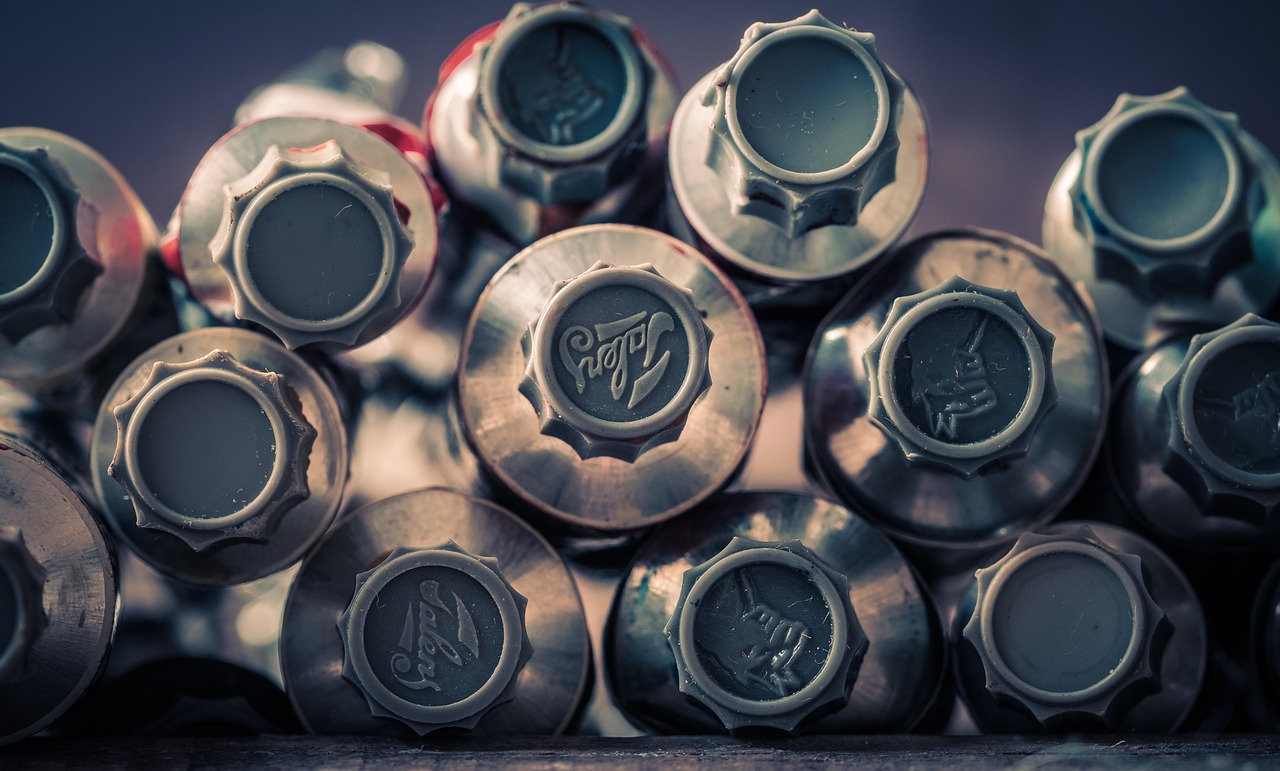
Where a maker prints it, the tube carries a pigment index code, an opacity symbol and a lightfastness rating. Those three tell you more than the colour name does. A tube whose colour name is a description rather than a pigment — anything ending in “hue” — is telling you something useful about what is inside.
Practical checks before buying
- Decide whether the work needs archival permanence before paying for it.
- Expect “hue” colours in student sets and expect them to mix duller.
- Check the body: heavy for texture, fluid for blends.
- Buy student grade for volume and artist grade for the two or three colours that carry the piece.
- Check the tube or pan size in a set — a large colour count with tiny tubes goes quickly.
Where this sits in the shop
Everything discussed above comes back to one part of the shop: Acrylic Paint Sets, which currently holds 5 listings between $9.99 and $99.95. The whole of it is picked and packed at PaintBox SoHo, 105 Thompson St, New York, NY, during Mon–Sat 11am–8pm, Sun 12pm–6pm — so anything written here can be checked by phoning the counter on ((212) 226-1300.
From our shelves
- ESRICH 26 PCS Acrylic Paint Set with 12 Colors Acrylic Paints — $9.99
- ESRICH 4 Set Acrylic Painting Kits for Adults and Couples — $29.99
- 149Pcs Deluxe Artist Painting Set with Aluminum and Beech Wood Easel, 48 Colors Acrylic & — $99.95
What we get asked about this
How long will my order take?
Handling takes 1–2 business days and carrier transit is normally 3–7 business days, so most orders land in 4–9 business days. Tracking is emailed as soon as the label scans.
How much is shipping?
Orders of $49.00 or more ship free inside the United States. Below that, a flat $5.99 covers packing and carrier handling, whatever the box weighs.
Read next
- Setting up a paint night for six people
- Choosing canvas: panels, boards or stretched
- Brush shapes and what each one is actually for
Ordering from PaintBox SoHo
Orders of $49.00 or more ship free anywhere in the United States, and a flat $5.99 covers everything below that. Handling takes 1–2 business days and carrier transit is normally 3–7 business days. Unused items can go back within 30 days, and if the mistake was ours we pay the return postage.
Questions about anything above go to [email protected], answered within 1 business day, or call (212) 226-1300. Full detail is on the Shipping Policy and Refund and Returns pages.